
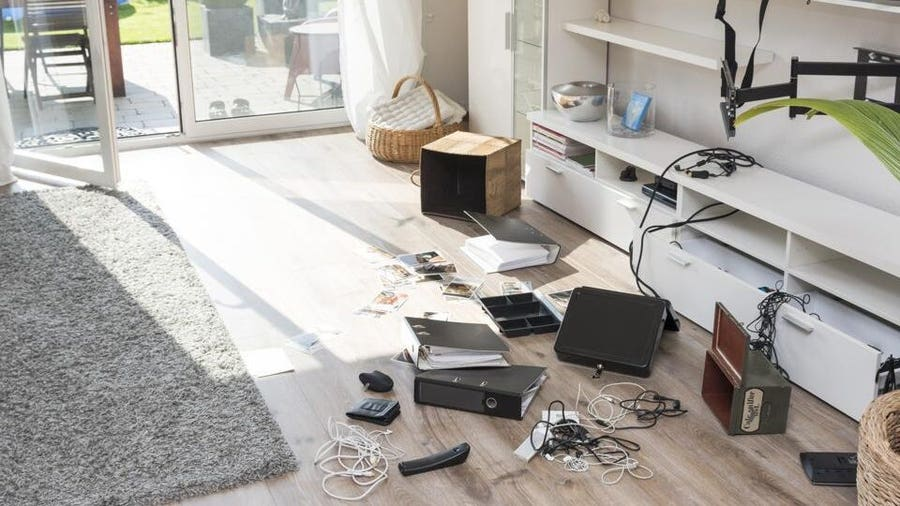
Picture a home break-in and you probably imagine someone climbing through a window in the middle of the night. The real picture, going by Australia’s crime data, is calmer and a lot more useful to know. This guide walks through what the Australian Bureau of Statistics actually records about break-ins, where they happen, when, and what gets taken, and what that means for keeping your own home secure.
How Common Are Home Break-Ins in Australia?
Break-ins happen often enough to take seriously, but they are nowhere near the constant danger the headlines imply. The ABS calls this crime unlawful entry with intent, which is just the formal term for burglary or break and enter. It means someone has unlawfully entered a property to commit an offence, and the count works by property rather than by person, so a household that is broken into is recorded as one victim.
The numbers run into the tens of thousands across the states the ABS reports each year, and recent estimates put the national total above 160,000 victims. That is several hundred homes broken into on any given day in Australia. It sounds like a lot, but the encouraging part is how predictable these break-ins are, and predictable problems are the ones you can actually plan for.
Which States Record the Most Break-Ins?
Some states see far more break-ins than others, and the gap is wider than you might expect.
NSW, Victoria and South Australia by the Numbers
Among the states the ABS reports, New South Wales and Victoria sit at the top. New South Wales recorded 32,913 victims of unlawful entry with intent in 2024, down 3% on the year before, while Victoria recorded 45,895 victims, a 25% jump and its highest figure since 2016. South Australia sits well below both at 9,901 victims, down 4%. The contrast is a useful reminder that raw totals depend heavily on population and reporting, so they are best read alongside the year-on-year trend rather than on their own.
Where Break-Ins Are Climbing and Where They’re Falling
The national picture in 2024 was genuinely mixed, which is why a single headline number can mislead. Victoria saw the sharpest rise of any state, with break-ins up 25% in a single year, whereas Queensland recorded one of the largest falls, down 9% to 45,273 victims. New South Wales eased by 3% and South Australia by 4%, while the Australian Capital Territory’s 21% drop took it to its lowest level in thirty-two years of records. The lesson is that trends move in opposite directions depending on where you are, and a quiet year in one state can coincide with a spike in another. Wherever yours sits this year, a solid baseline of home security is worth having.
When Do Break-Ins Happen and How Long Do They Take?
This is where most people get it wrong, and the data is genuinely surprising.
Most Break-Ins Happen in Daylight, Not at Night
Most break-ins do not happen at night. They happen in daylight, while everyone is out. Home insurer AAMI makes the same point, noting that thieves prefer to break in during the day, when houses are empty, rather than after dark. It makes sense when you think about who is home and when. A house left empty during work and school hours gives a burglar privacy and time, while an occupied home in the evening carries a far higher risk of being spotted or interrupted.
The Average Burglar Is Inside for Just a Few Minutes
Burglars also move fast, and how fast they move decides what they can take. Neighbourhood Watch Victoria puts the average break-in at about eight minutes, so anything left in plain sight near a door or window is the first to go. Other Australian research suggests even quicker visits, with many offenders in and out in under five minutes. Nobody working that fast is searching the house properly. They grab whatever is visible, worth money and easy to carry, then they are gone.
What Burglars Steal From Australian Homes
Burglars are remarkably consistent about what they go for, which makes it easier to know what to protect.
Cash, Jewellery, Laptops and Power Tools Top the List
What burglars take barely changes from one study to the next. Cash is always near the top, and jewellery right alongside it, because both pack a lot of value into something small enough to pocket. An analysis of AAMI’s contents claims found rings alone made up 5.2% of claims, with necklaces next at 4.7%, and watches and earrings close behind.
Past the jewellery box, a few other items get taken again and again, usually for the same reason: they are easy to grab and easy to turn into cash.
- Laptops and tablets, light to carry off and quick to resell online
- Power tools, with thousands taken from Victorian homes alone each year
- Mobile phones and small electronics, valuable, portable and almost always left out in the open
- Car keys, which can turn a break-in into a stolen car in seconds
Why Hiding Valuables in Drawers and Freezers Doesn’t Work
A clever hiding spot feels like enough, but experienced burglars know all the usual ones already. Australian research into offender behaviour found that cash in the freezer and jewellery in bedroom drawers or jewellery boxes are easy pickings, checked first because they are exactly where people tend to put them. The same research found something more useful, though. The harder something is to find, the less likely it is to be taken, particularly when the average burglar is only willing to spend a few minutes looking.
How a Cash-Rated Safe Protects Your Valuables
This is the practical takeaway from the data. If burglars want small, valuable items and only have a few minutes to find them, the most effective thing you can do is keep those items somewhere that cannot be opened or carried off in that short window.
Locking Away the Items Burglars Target First
A cash-rated safe is built and independently tested to protect a set value of cash and valuables, and it covers exactly the things the data says go first. Cash, jewellery, watches and small electronics all fit inside a quality home safe, out of sight and behind a pick-resistant lock. Prescription medication is a common target too, so a dedicated medication safe is worth considering for any home that keeps medicines on hand. If you are not sure which type fits your needs, the residential safe buying guide breaks down the options.
Why a Safe Must Be Anchored to the Floor
A safe is only as good as its fixings. If a burglar cannot open it, they will simply pick the whole thing up and carry it out, provided it is light enough to lift. That is why anchoring matters so much. Bolting a safe to the floor or a wall turns it from something portable into a fixed barrier, and for valuables you would rather keep low and hidden, a concealed floor safe is one of the most discreet ways to do it.
What a Stronghold Home Safe Costs
The good news is that this protection costs less than most people think. Stronghold home safes start at $1,299 for the HD1 and go up to $2,638 for the larger HD4, with a range of sizes in between to suit different homes and budgets. Every model comes with a five-year safe warranty and twelve-month lock warranty, so the protection you are paying for is guaranteed to last.
Making Your Home a Harder Target
The clearest lesson in the data is also the most reassuring. Break-ins in Australia are common and fast, but they are usually carried out in daylight by opportunists chasing easy, portable valuables and the least possible hassle. So you don’t need to fortify the place, you just need to be a slightly harder target than the house next door, and putting your valuables out of reach does most of that work for you. A quality safe is one of the simplest ways to get there, and Stronghold Safes has a home range worth exploring.