You do not strictly need a watch winder to look after an automatic watch. Letting it stop and winding it by hand when you next wear it does no harm. A winder earns its place when you rotate several automatics, or own watches with complications such as a perpetual calendar or moon phase that are tedious to reset. Whatever you decide, the bigger risks to a collection are theft, fire, magnetism and moisture, so where and how you store your watches matters at least as much as keeping them wound.
Do you need a watch winder?
An automatic movement winds itself from the motion of your wrist. Left in a drawer, it runs down within a day or two, depending on its power reserve. Opinion among watch enthusiasts is genuinely divided on whether that matters. Gear Patrol argues that most owners do not need one, because modern synthetic lubricants do not congeal in the way older oils could and hand-winding is not much of a chore.
A winder is most useful when:
- you own complications such as a perpetual or annual calendar, moon phase or world time, which take time and care to reset after stopping;
- you rotate a collection and want any watch ready to wear without setting the time and date;
- you prefer presentation, with watches displayed and running rather than tucked away in boxes.
Winders are only for automatic (self-winding) watches. Manual-wind watches are wound through the crown, and quartz watches run on a battery, so neither benefits.
How many turns per day?
Winders are set by turns per day (TPD) and direction of rotation. Requirements vary by movement: some wind in one direction only, others in both, and the number of turns needed differs between calibres. Winder makers commonly quote a range of around 650 to 800 TPD for many modern automatics, but treat that as a starting point. One winder maker’s TPD guide lists settings by model, and the most reliable source is your watch’s manufacturer or an authorised service centre.
- Too few turns and the watch slowly runs down and stops.
- Too many will not break the mainspring, as automatic movements have a slipping mechanism to prevent overwinding, but it adds needless wear over time.
- Wrong direction on a one-way movement means little or no winding at all.
Storing watches well
Magnetism
Strong magnetic fields can affect a mechanical watch’s accuracy. Keep watches away from speakers, phones and tablets, magnetic bag clasps and similar sources. A watch that suddenly runs very fast may need demagnetising by a watchmaker.
Moisture, heat and light
Store watches somewhere dry, with a stable temperature, and away from direct sunlight, which can fade dials and straps. Bathrooms, garages and cars are poor places to keep a collection.
Boxes, papers and records
Original boxes, warranty cards and service records support a watch’s provenance and, often, its resale value. Keep them together and protected, and photograph each watch with its serial number for your insurer.
Service intervals
Whether worn or wound, mechanical watches need periodic servicing. Follow the maker’s recommended interval.
Protecting a collection from theft and fire
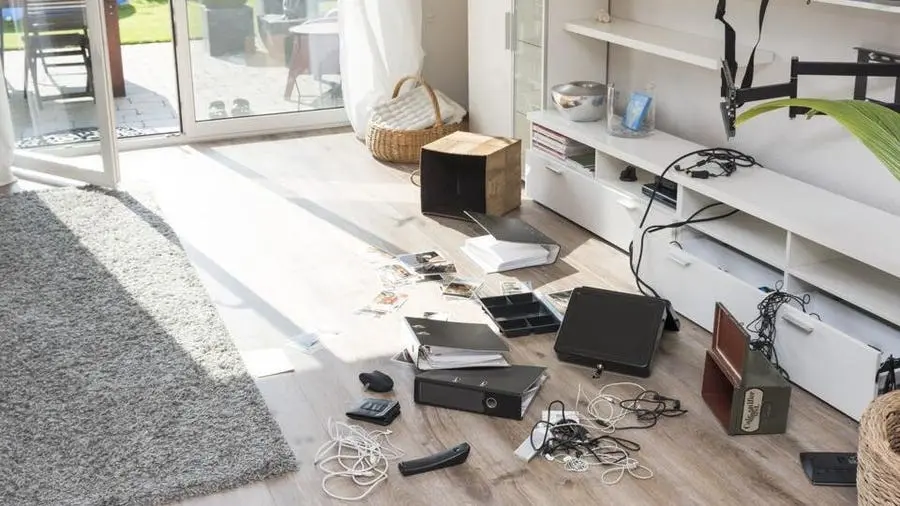
Watches are small, valuable and easy to sell, which makes them an obvious target in a burglary. A felt-lined drawer or a display case offers no protection. A collection should live in a safe that is properly bolted down, with a fire rating to protect the watches, their papers and their straps.
Insurance matters too. Most home contents policies limit what you can claim for jewellery and watches unless they are specified, so list valuable pieces individually and check what your insurer needs for watches kept at home.
How a watch winder safe works
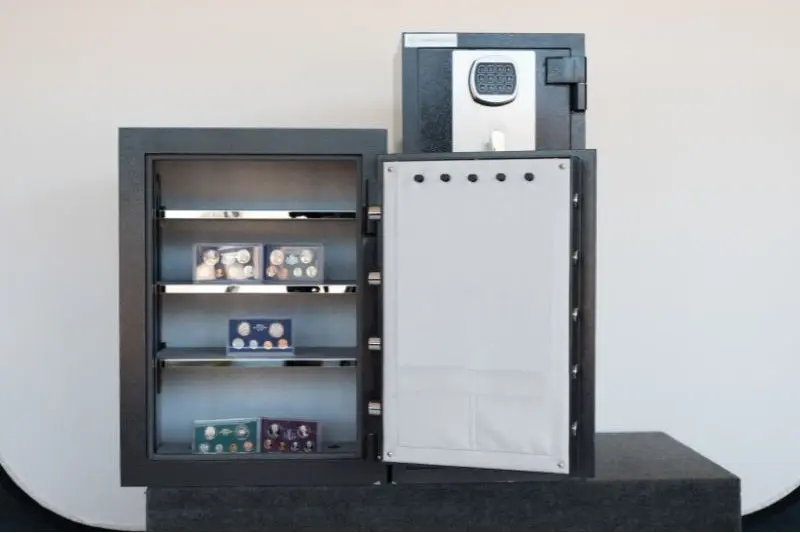
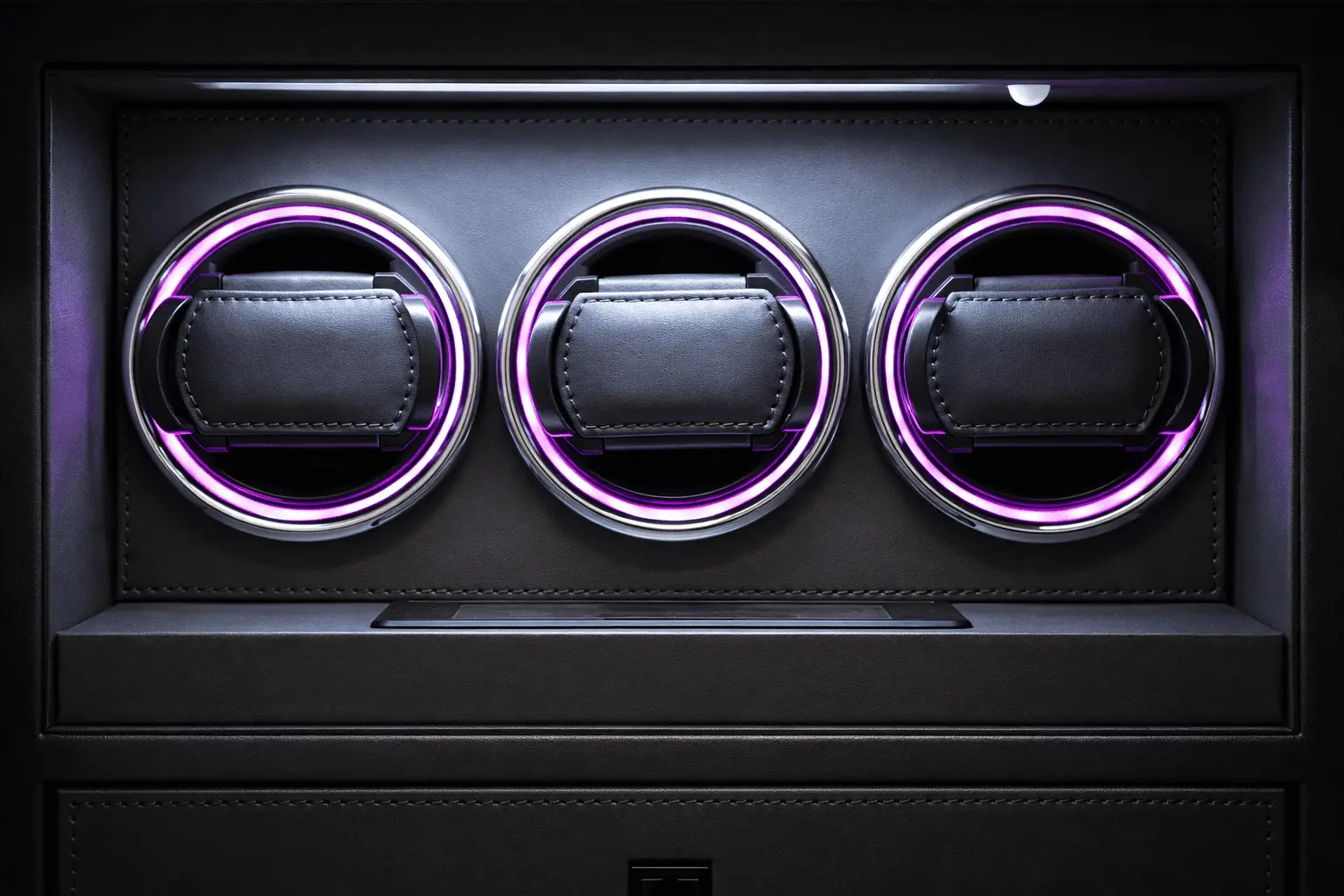
A watch winder safe combines a security safe with winders built into the interior, so your automatics stay wound while locked away. Stronghold’s WLS Collection pairs integrated watch winders with fire-rated construction and adjustable shelving for the rest of the collection.
- WLS1: about 28 litres inside, with customisable compartments, in a 106 kg safe measuring 475 × 450 × 450 mm.
- WLS3: about 85 litres inside, with customisable compartments, in a 216 kg safe measuring 670 × 560 × 560 mm, with corner locking bolts.
- WLS5: the largest model, with about 153 litres inside, in a 318 kg safe measuring 1100 × 560 × 560 mm, also with corner locking bolts.
All three models are rated to 90 minutes of fire resistance, carry a suggested cash rating of $100,000 for an unsupported situation (no alarm) and are locked with a backlit SecuRam digital lock, with a key lock available as an option. A 35 mm slab door with an anti-drill hard plate and a glass relocker is held shut by 32 mm steel locking bolts, and each safe has two bolt holes in the base for fixing to the floor. For collections that outgrow the winder bays, a home safe from the HD Series with felt-lined shelving can hold boxes and papers alongside.
Key takeaways
- A winder is a convenience, most valuable for complications and rotating collections.
- Set TPD and direction to each watch’s requirements; check with the manufacturer.
- Keep watches away from magnets, moisture, heat and direct sun.
- Store boxes, papers and service records safely; they support value.
- Protect the collection in a fire-rated safe that is bolted down.
- Specify valuable watches on your insurance policy.
Frequently asked questions
Will a winder damage my watch?
A quality winder set to the right TPD and direction should not. Running it well above what the movement needs simply adds wear, so match the settings to the watch.
Can I keep quartz or manual-wind watches in a winder safe?
Yes, in the compartments or on the shelves. They do not need to go on a winder.
Is it fine to let an automatic watch stop?
Yes. Wind it by hand with a few turns of the crown and set the time when you next wear it. Take care resetting complicated calendars, following the maker’s instructions.
Does a watch winder safe need to be bolted down?
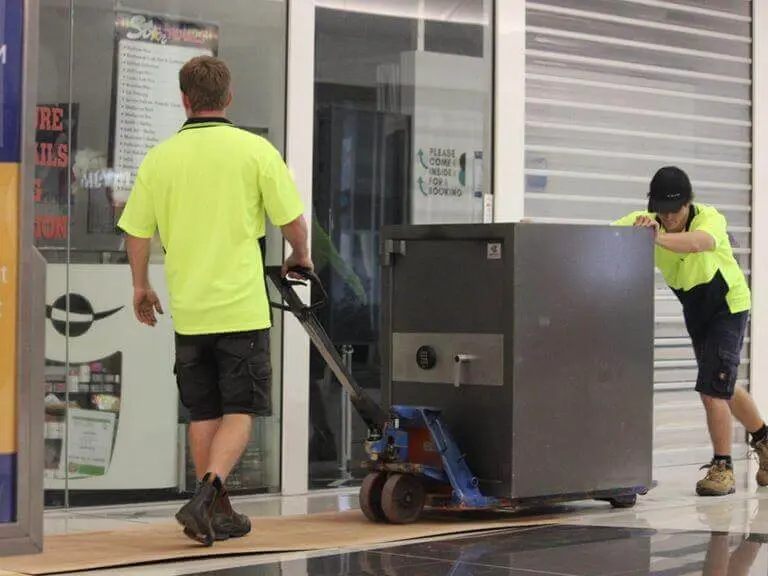
We recommend it. A safe that can be carried away offers far less protection, and your insurer may ask how it is installed.
To see the WLS Collection in person, visit a Stronghold showroom, or speak with a specialist about the right size for your collection and professional installation in your home.