
Three terms get thrown around as if they mean the same thing: lockbox, drug cabinet and drug safe. They don’t. Each one is built to a different standard, suits a different setting, and only one of them is designed to meet controlled medicines storage requirements. Confusing them isn’t just a labelling issue. It’s how facilities end up with non-compliant storage without realising it, sometimes until an audit points it out.
Here’s what separates the three, who each one actually suits, and where a proper drug safe stops being optional.
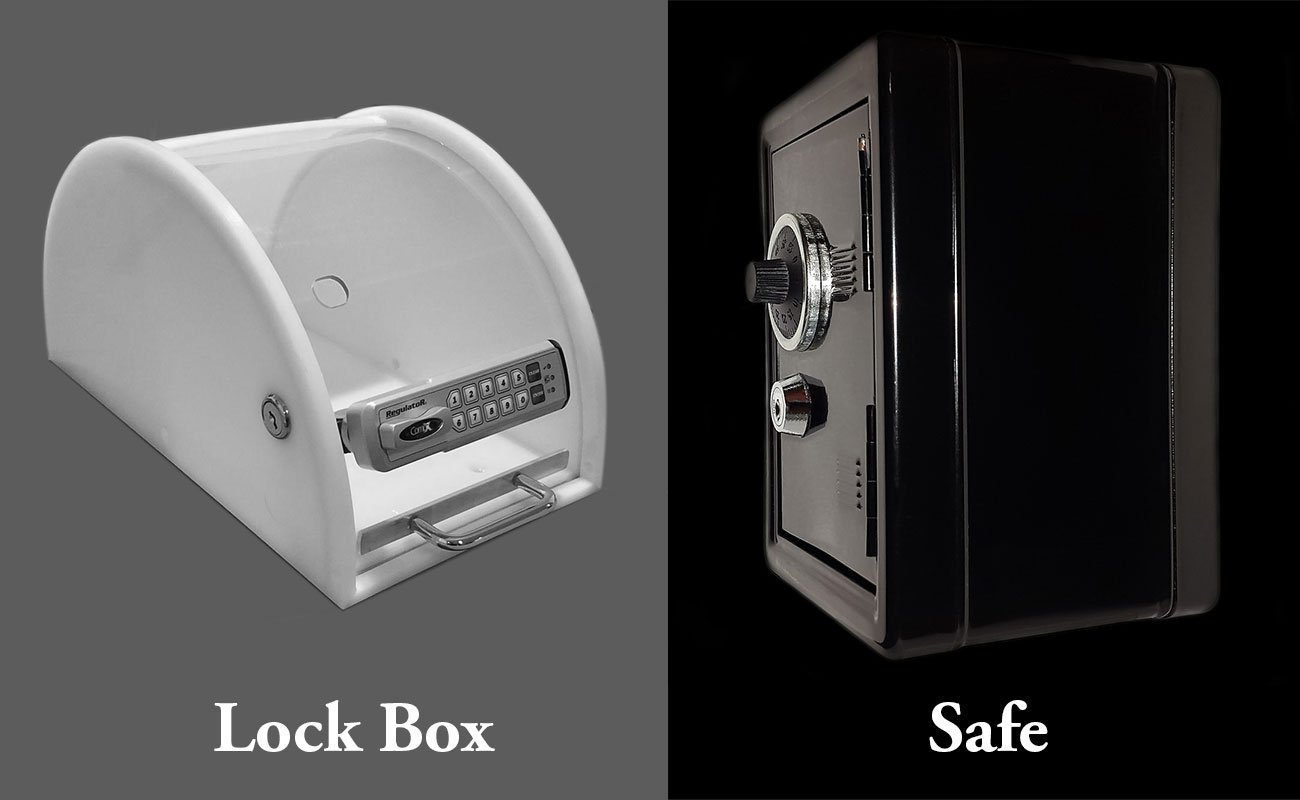
Why “Lockbox” and “Drug Safe” Aren’t Interchangeable
The confusion usually comes down to marketing language rather than product design. A lot of general security products are labelled “lockbox,” “medication box” or “safe” without any indication of the build standard behind them. To the untrained eye, a small steel box with a digital keypad looks much like another.
The difference that matters is what’s inside the walls, not what’s printed on the box. Storage requirements for controlled medicines are typically built around specific steel thickness, door construction, locking mechanism and anchoring requirements, not general appearance. A product can look secure and still fall well short of what’s required for legal medication storage.
This matters because the consequences of getting it wrong aren’t just theoretical. Facilities that store controlled medicines in non-compliant storage can face issues during health department audits, insurance disputes after a theft, and in more serious cases, regulatory penalties. The cost of getting this right upfront is minor compared to any of those outcomes.
What a Medication Lockbox Is
Picture a small metal or plastic box with a key or combination lock, light enough to move between rooms or carry in a bag. That’s essentially what a medication lockbox is, and its main job is keeping medication out of the wrong hands rather than meeting any formal security standard.
Lockboxes typically offer:
- Thin metal or plastic construction
- A basic key or combination lock
- Portability rather than fixed security
- No anchoring to a wall or floor
There’s a legitimate place for a lockbox. If you’re a family managing a relative’s daily medications at home, or a support worker carrying a small supply between visits, a lockbox is a sensible, low-cost way to add a layer of security. What a lockbox is not designed for is storing controlled substances in a regulated healthcare setting. Because it isn’t built to a certified security standard and generally can’t be fixed in place, it doesn’t meet the storage obligations that apply to pharmacies, clinics, hospitals or aged care facilities handling controlled medicines.
What a Drug Cabinet Is
One step up in build quality, a drug cabinet is the fixed, wall-mounted metal unit you’ll spot in general practices, small clinics and some aged care settings. It’s designed for everyday medication stock, not the higher-risk substances that trigger stricter compliance rules.
A typical drug cabinet includes:
- Sheet metal construction, lighter than a purpose-built safe
- A single lock, often a basic key lock
- Fixed wall mounting
- Shelving for general medication storage
Drug cabinets are appropriate for storing Schedule 4 medications and general stock that doesn’t require the same level of physical security as controlled substances. Where they fall short is storage of controlled medicines. Most state health department guidelines specify a minimum steel thickness and construction standard for controlled substance storage that a standard drug cabinet doesn’t meet. If your facility handles any controlled medicines alongside general stock, a drug cabinet alone won’t cover you, even if it’s bolted to the wall.
What Makes a Drug Safe Legally Compliant
Steel thickness is where a genuine drug safe starts to earn the name, rather than just borrowing it. Under Victoria’s Drugs, Poisons and Controlled Substances Regulations 2017 (regulation 74), for example, a compliant storage facility must be built from 10mm mild steel plate with continuous welding, fitted with a 6-lever lock, and secured well enough to resist attack by hand tools for 30 minutes or power tools for 5 minutes. Stronghold drug safes are constructed with a 10mm solid steel door and 10mm solid steel body, an overall door thickness of 80mm, and hard-plate protection over the vital locking areas. That’s a construction standard built to resist physical attack in a way neither a lockbox nor a general cabinet is designed for.
Beyond steel thickness, a compliant drug safe generally needs:
- A recognised locking mechanism. Digital keypad, key lock or dial combination locking, depending on what your state health regulations specify for controlled medicines storage. Check with your state health department to confirm which type applies to you.
- Recessed mounting points. The ability to anchor the safe to a floor or wall is a requirement under many state health department guidelines, not an optional extra.
- Adequate internal shelving. Compliance isn’t only about the exterior. Being able to separate medications by type or schedule matters for audit trails and staff safety.
It’s worth repeating that drug safe compliance requirements vary by state, so the exact specifications your facility needs to meet should always be confirmed against your local health department guidelines before purchasing. What holds true everywhere is the general principle: if a product can’t be anchored, doesn’t meet a recognised steel standard, or relies on a basic lock, it’s not going to hold up as compliant storage for controlled medicines.
Comparison: Lockbox vs Drug Cabinet vs Drug Safe
| Feature | Medication Lockbox | Drug Cabinet | Drug Safe |
| Typical construction | Thin metal or plastic | Sheet metal | 10mm solid steel door and body |
| Locking mechanism | Basic key or combination | Single key lock | Digital, key or dial combination |
| Fixed to wall/floor | No | Usually wall-mounted | Yes, recessed anchor points |
| Suitable for Schedule 4 stock | Limited | Yes | Yes |
| Suitable for controlled medicines | No | Generally no | Yes, when compliant with state requirements |
| Typical setting | Home care, first aid, portable use | General practice, small clinics | Pharmacies, hospitals, aged care, clinics handling controlled substances |
This table is a general guide rather than a compliance checklist. The right choice for your facility depends on what schedules of medication you handle and what your state’s specific health department requirements are.
Getting Compliant Storage Right
The short version: a lockbox suits home use, a drug cabinet can handle general medication stock in a clinical setting, and a proper drug safe is what’s required once controlled medicines enter the picture. A cheaper lockbox or an existing drug cabinet might look sufficient on the shelf, but neither meets the construction and anchoring standard a compliant drug safe does, and that gap is exactly what an audit is designed to catch.
If you’re setting up storage for a pharmacy, clinic, hospital or aged care facility, it’s worth starting with our drug safes range, built to the steel and locking standards that Australian healthcare providers rely on, and backed by a 5-year safe warranty and 12-month lock warranty. If you’re unsure which model or lock type your state requires, get in touch with our team before you buy.