A safe’s cash rating is an indicative guide to how much cash an insurer may be prepared to cover when it is locked in that safe. Jewellery and other valuables are often accepted at a higher figure than the cash rating, because cash is easier to spend and harder to trace. But a cash rating is the start of a conversation with your insurer, not a promise of cover. Only your policy, and your insurer’s written confirmation, tells you what is actually covered.
What a cash rating means
A cash rating reflects how well a safe resists attack: the construction of its body and door, the boltwork, the lock and its protection against drilling, and anti-tamper features such as re-locking devices. The higher the rating, the more time, tools and noise an attacker would need.
Stronghold gives each rated model a single suggested cash rating, for an unsupported situation (no alarm). Across the range, these run from $5,000 to $5,000,000. For example:
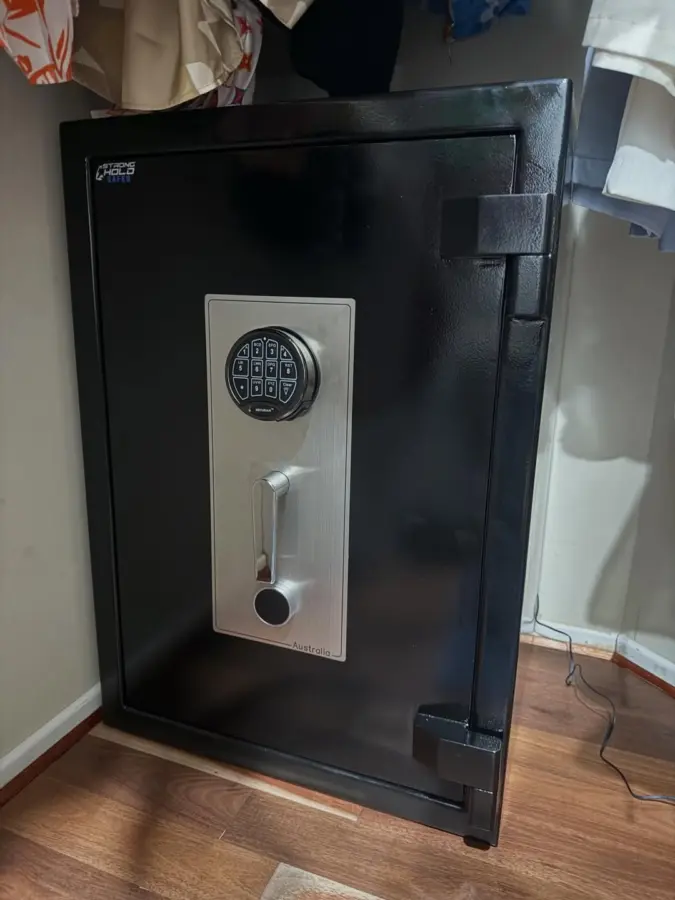
- HD Series home safes: $45,000
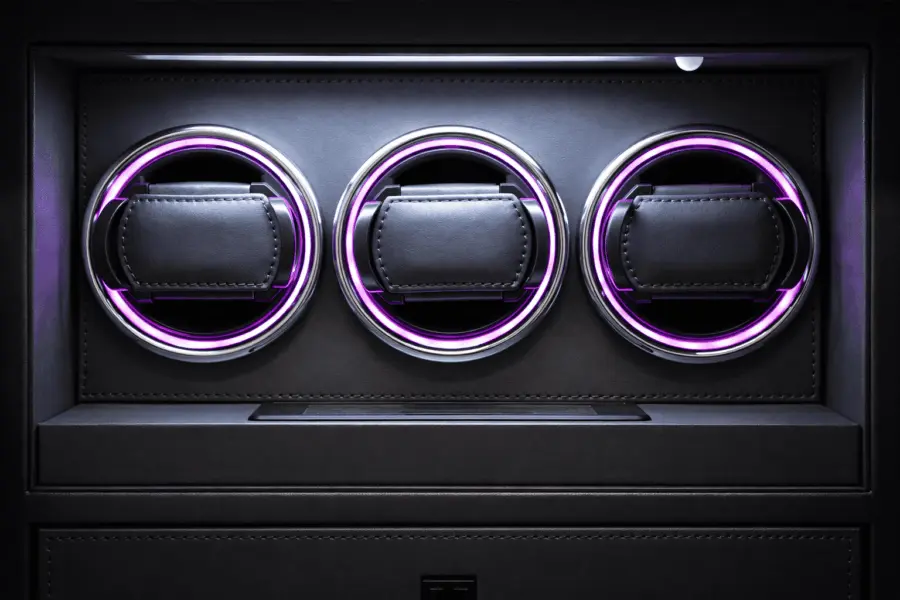
- WLS Collection watch winder safes: $100,000
- In-floor safe TDR: $125,000
- Strongroom doors VD1 and VD2: $150,000
- Vault rooms: $500,000 (UL Class M) to $5,000,000 (UL Class 3)
These figures are indicative guides. How they are treated varies between insurers, so always confirm with your own.
A cash rating is not a fire rating
A cash rating says nothing about fire. A fire rating, measured in minutes, describes how long a safe protects its contents in a fire. If you keep passports, wills or hard drives, you need both kinds of protection. Every HD Series safe is rated to 40 minutes of fire resistance, for instance, and the WLS Collection watch winder safes to 90 minutes.
How insurers treat valuables in a safe
Home contents policies commonly limit what you can claim for certain kinds of item, such as jewellery, watches, cash and collections, unless you list them individually. The Australian Government’s Moneysmart guide to contents insurance recommends checking these item limits and considering extra cover for valuable items such as jewellery and special collections.
In the safe industry, particularly in the UK and Europe, a widely quoted rule of thumb is that valuables may be accepted at around ten times a safe’s cash rating. UK retailer eSafes explains the convention, along with the caveat that insurers can and do set their own conditions. Treat that multiple as background, not a rule. Australian insurers write their own terms, and many will want details of the safe, how it is installed and how your home is secured before they agree a figure.
Why you must confirm with your insurer
Buying a safe with a generous cash rating does not change your cover on its own. Depending on the policy, your insurer may:
- cap jewellery, watches or cash at a set amount, however they are stored;
- require high-value items to be specified, with valuations or receipts;
- set conditions on installation, such as the safe being bolted down;
- require the safe to be locked whenever the home is unattended;
- ask for a higher security level for very valuable collections.
Ask your insurer or broker to confirm in writing what is covered while items are in the safe, and what happens when they are out of it, such as a watch on your wrist or jewellery packed for a trip. When you answer an insurer’s questions, answer accurately and completely, and tell them when something changes, such as buying a safe or adding significantly to a collection.
What to tell your insurer
An insurer can only assess what it knows about. Before you call, gather:
- The safe’s make and model, with its specification sheet showing the cash rating, fire rating, weight and lock type.
- How it is installed: bolted to a concrete slab, set into the floor or concealed in a wall, and who installed it.
- Where it is and what other security the home has, such as a monitored alarm or deadlocks.
- What you will keep in it, with current valuations, receipts and photographs.
- Proof of purchase and the serial number. On a Stronghold safe, the serial number is on the label inside the door.
Revisit the conversation whenever the value of what you store changes. Moneysmart notes that if you have not reviewed your insurance in 12 months or more, you can easily become underinsured.
Choosing a safe with insurance in mind
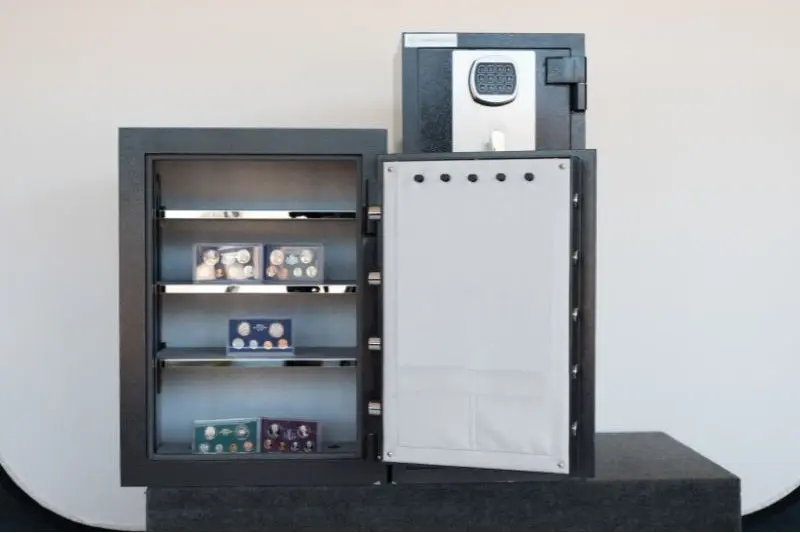
If insurance is a main reason for buying, start with the insurer, not the showroom. Ask what they need for the value you plan to store, then choose a safe that meets or exceeds it, with some headroom for a collection that grows. For many households, a home safe from the HD Series suits documents, jewellery and modest amounts of cash. Larger values or business takings may point to the In-Floor Safe TDR, with a suggested cash rating of $125,000, or a strongroom door, with a suggested cash rating of $150,000 (both for an unsupported situation, with no alarm).
Installation is part of the picture. A safe that can be carried away offers little protection whatever its rating, which is why insurers often ask how it is fixed. Stronghold delivers and professionally installs safes Australia-wide, including bolt-down.
Checklist before you rely on your safe
- Read your policy’s limits for jewellery, watches, cash and collections.
- Ask your insurer what safe and installation they need for the value you hold.
- Get confirmation of cover in writing.
- Specify high-value items, with valuations and photographs.
- Have the safe professionally bolted down.
- Keep receipts, the serial number and the specification sheet outside the safe.
- Review your cover at least once a year.
Frequently asked questions
Does a $45,000 suggested cash rating mean I can keep $45,000 in cash at home?
Not automatically. It indicates the safe is built to a level an insurer may accept for that amount of cash in an unsupported situation (no alarm). Whether your insurer accepts it, and on what terms, depends on your policy, so confirm before you rely on it.
Is jewellery covered at ten times the cash rating?
Sometimes, but not as a rule. The ten-times figure is a convention quoted mainly in the UK and European safe industries. Australian insurers set their own terms, so ask yours.
Should I tell my insurer I have bought a safe?
Yes, it is worth doing. It may affect your premium or the cover available for valuables, and your insurer may have conditions about how the safe is installed.
Where should I keep receipts and valuations?
Keep copies outside the safe, for example in secure cloud storage or with a trusted family member, so they survive even if the safe and its contents do not.
Not sure which cash rating you need? Speak with a Stronghold specialist with your insurer’s requirements in hand, or visit a showroom to compare models in person. We will help you match the safe to the cover you need.