Most safe problems are preventable. Change a digital lock’s battery at the first low-battery warning, keep the door and bolts moving freely, and record your serial number and purchase details somewhere secure outside the safe. If you are locked out, stop: do not force the handle and never drill the safe yourself. Contact your supplier or a qualified safe technician instead. Drilling by an untrained person can trigger the safe’s re-locking device and turn a simple service call into a major repair.
Changing a digital lock battery
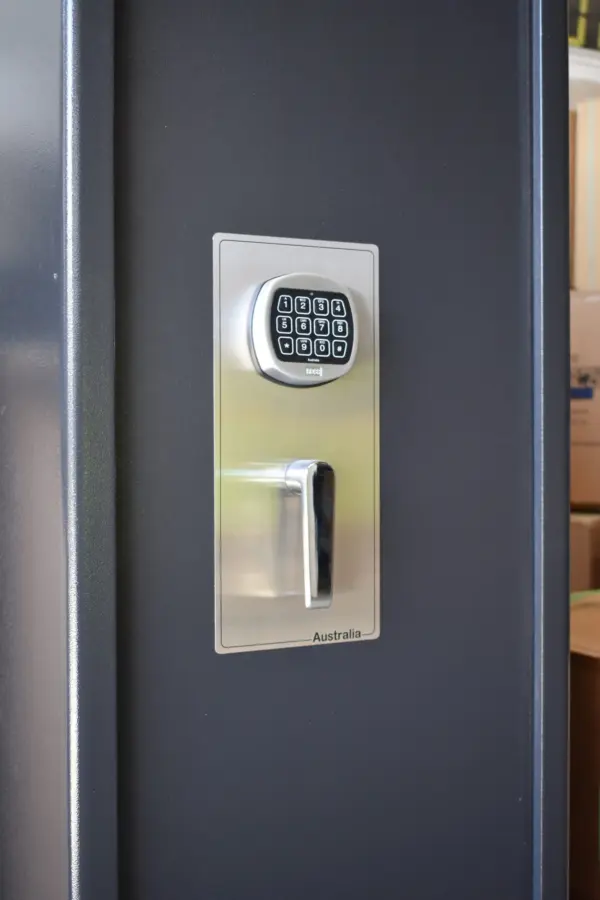
A flat battery is the most common reason a digital safe will not open, and the easiest to avoid. On most digital safe locks, the battery sits in the keypad on the outside of the door, so it can be replaced with the safe locked.
- Watch for warnings. Repeated beeps or flashing lights when you enter the code, a slow response or needing several attempts usually mean the battery is running low.
- Use the right battery. Fit a fresh, good-quality battery of the type specified in your lock’s instructions. Avoid rechargeables unless the instructions allow them.
- Replace it on a schedule. Battery life depends on use and model; SecuRam’s SafeLogic Basic runs for about a year on one 9V battery. For a safe opened rarely, a yearly change is a sensible habit.
- Check your codes afterwards. Modern electronic safe locks generally retain their codes when the battery is changed, but confirm it works with the door open before you close it.
Step-by-step guides for each Stronghold lock, from ROSS and SecuRam to LA GARD, are on our lock instructions page. Note that batteries are not covered by the warranty.
Signs your safe needs servicing
Safes are built to last, but locks and boltwork are mechanical and wear with use. Book a service if you notice:
- the handle needs more force than usual, or will not turn fully;
- the bolts drag, scrape or do not throw cleanly;
- the door binds or needs to be pushed or lifted to close;
- a key is stiff, rough or hard to remove;
- keypad buttons are unresponsive or work intermittently;
- a dial feels gritty, or the combination works only sometimes;
- the safe has been moved, the floor has shifted, or someone has tried to break in.
Do not spray lubricant into the lock or keypad. It can damage electronics and attract dust, and the internal mechanisms are best left to a technician.
Everyday care
- Keep the safe dry and away from water, steam and direct heat.
- Do not overfill shelves so that contents press against the door.
- Close the door gently and turn the handle fully so the bolts throw completely.
- After changing a code, test it several times with the door open before closing it.
- Keep spare keys outside the safe, somewhere secure.
- Wipe the keypad with a dry, soft cloth.
If you forget the code or are locked out
- Check the basics. Replace the battery and re-enter the code slowly. Many digital locks impose a short lockout period after several wrong attempts, so wait it out before trying again.
- Try any backup. If your safe has a manager code or key override, such as the key override on the RS10 rifle safe‘s digital lock, use it as your instructions describe.
- Find your records. Locate your proof of purchase, the model and serial number. The serial number is on a label inside the door, which is why it is worth recording before you ever need it.
- Contact us or your supplier. Expect to be asked for proof of ownership before anyone helps you open a safe. A responsible supplier will insist on it.
- Let a qualified technician open it. A safe technician can open the safe with minimal damage, repair it and reset the lock.
Why you should never drill it yourself
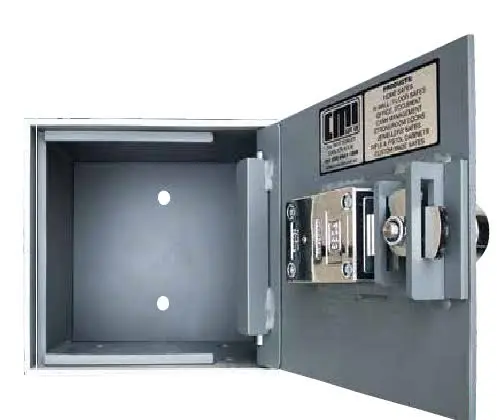
Safes are designed to defeat exactly the kind of attack an untrained person would try. Hard plate protects the lock against drilling, and anti-tamper re-locking devices engage if the lock is attacked, holding the bolts in place. Once a re-locker has fired, opening the safe takes more work and the repair is more extensive. There is also a real risk of injury from drills, grinders and swarf.
If you engage a locksmith, choose one with safe experience. The Master Locksmiths Association of Australasia notes that “locksmith” is not a protected title, and its directory lists members who meet its licensing and insurance requirements.
Keep the right records
- Proof of purchase and the date of installation.
- The model and serial number.
- The lock brand and model, which are printed on the keypad.
- Your warranty registration confirmation.
- Who holds codes and keys, and where spare keys are kept.
- When the battery was last changed.
Store copies outside the safe. Every Stronghold safe carries a 5-year warranty on the safe and 12 months on the lock as standard (longer on some models), and registering your warranty within 6 months adds a year to the safe cover. See the full warranty terms.
Frequently asked questions
How often should I change the battery?
At the first low-battery warning, and at least once a year for a safe that is rarely opened.
Will I lose my code when I change the battery?
Modern electronic safe locks generally keep their codes when the battery is replaced. Check your lock’s guide and test the code with the door open.
Can Stronghold tell me my code?
No. A code you set is stored in the lock itself. If it is forgotten, a technician will need to open the safe and reset the lock, after you prove ownership.
What if I lose my key?
Contact us with your proof of purchase and serial number. Depending on the lock, it may be possible to supply a replacement or change the lock.
If your safe needs a service or you are locked out, contact a Stronghold specialist or visit your nearest showroom. Our partners service safes across Australia and can get you back in without unnecessary damage.